What Is a Desktop Injection Machine?
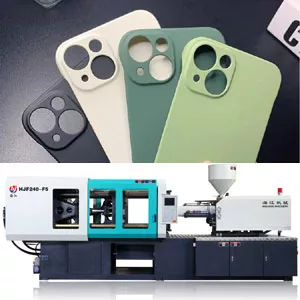
A desktop injection machine is a compact injection molding machine designed for producing small plastic parts in low volumes. Unlike industrial injection molding machines, which are built for high-output mass production, desktop injection machines focus on simplicity, flexibility, and space efficiency.
These machines typically have lower clamping force, smaller footprints, and simplified operating systems. Because of their size and configuration, desktop injection machines are often installed on workbenches or small production areas rather than full-scale factory floors.
The primary purpose of a desktop injection machine is not high-speed production, but controlled, low-volume plastic molding where ease of use and lower investment cost are more important than output capacity.
What Is a Desktop Injection Machine Used For?
A desktop injection machine is mainly used for producing small plastic parts in limited quantities. It is especially suitable for situations where manufacturers or individuals need flexibility rather than mass production capacity.
Common uses of desktop injection machines include:
Product Prototyping
Designers and engineers use desktop injection machines to produce functional plastic prototypes. This allows testing of part geometry, material behavior, and basic functionality before committing to industrial molds and large-scale production.DIY and Maker Projects
Desktop injection machines are popular among makers, hobbyists, and small workshops. They are used to produce custom plastic components, replacement parts, or experimental designs without relying on external suppliers.Small Batch Production
For startups or small businesses, desktop injection machines provide a practical solution for producing low-volume plastic parts. They allow limited production runs without the cost and complexity of industrial equipment.Educational and Laboratory Use
Universities, training centers, and research labs use desktop injection machines to teach injection molding principles, material flow behavior, and basic mold design concepts.
Because of their compact size and simplified operation, desktop injection machines are most effective when used for small parts, simple molds, and applications that do not require high output speed.
Who Should Use a Desktop Injection Machine?
Desktop injection machines are suitable for users with specific production goals and limitations. Typical users include:
Product designers and engineers developing new plastic parts
Startups producing small quantities of plastic components
DIY makers and hobbyists working on custom projects
Educational institutions teaching injection molding fundamentals
Laboratories conducting material or mold testing
For these users, desktop injection machines offer sufficient capability without the financial and operational burden of industrial-scale equipment.
Who Should NOT Use a Desktop Injection Machine?
Despite their advantages, desktop injection machines are not suitable for all applications. They are generally not recommended for:
High-volume or mass production environments
Large plastic parts requiring high clamping force
Multi-cavity molds designed for industrial output
Applications requiring extremely high precision or tight tolerances
In such cases, industrial injection molding machines are more appropriate due to their higher output capacity, stronger clamping systems, and advanced automation options.
Clearly understanding these limitations helps users avoid selecting equipment that does not match their actual production needs.
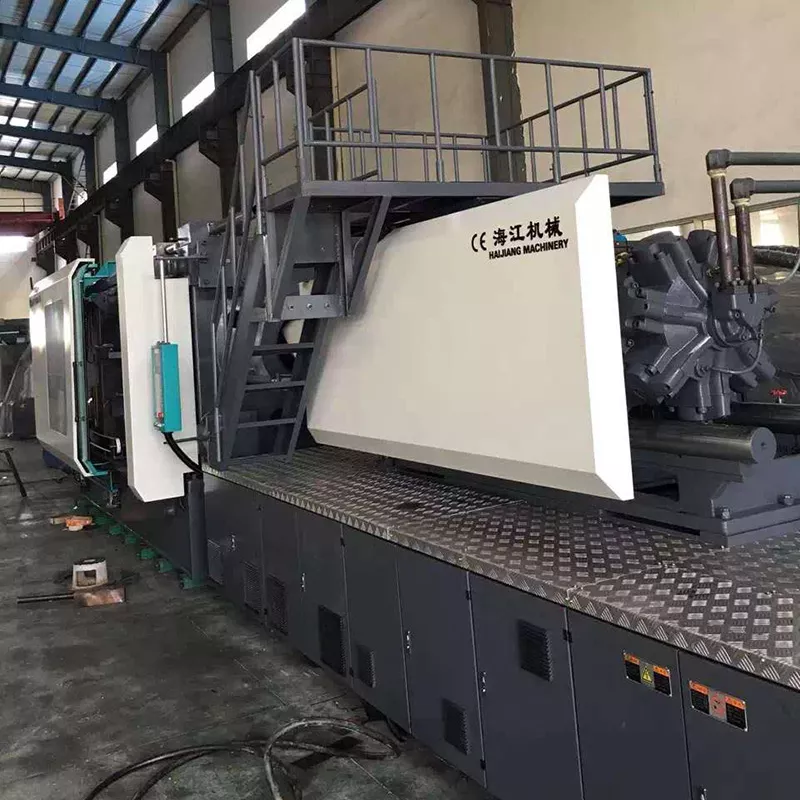
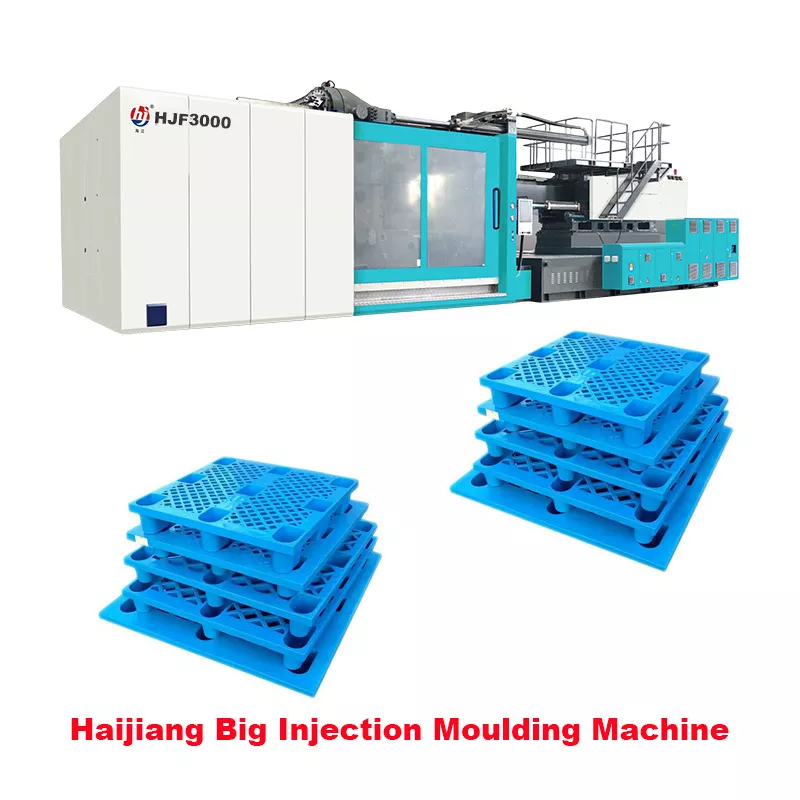
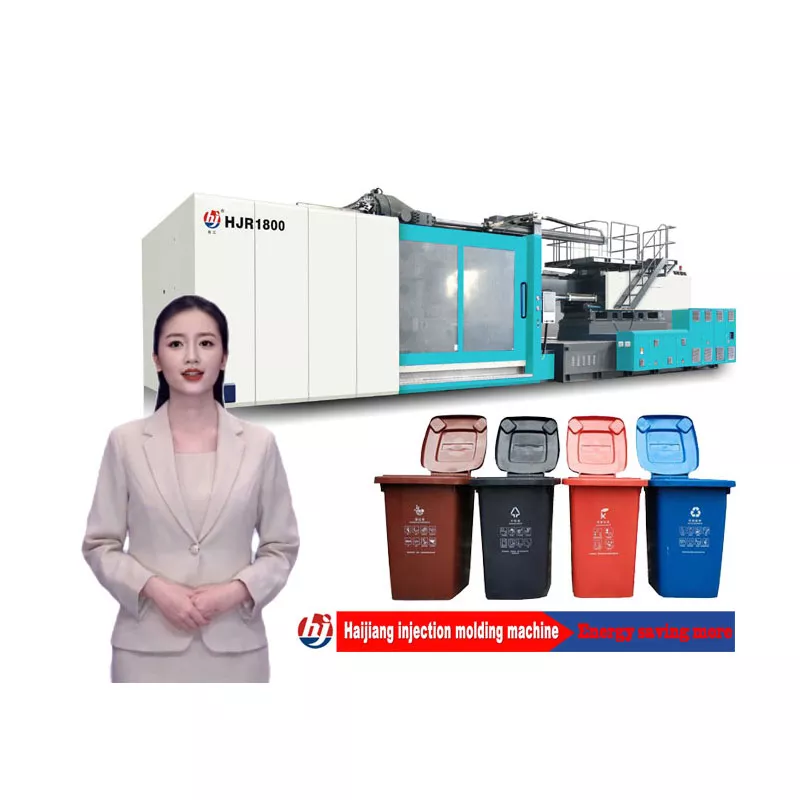
Desktop Injection Machine vs Industrial Injection Molding Machine
The table below highlights the key differences between desktop injection machines and industrial injection molding machines:
| Feature | Desktop Injection Machine | Industrial Injection Molding Machine |
|---|---|---|
| Machine size | Compact, bench-top | Large, floor-standing |
| Production volume | Low | High |
| Investment cost | Relatively low | High |
| Typical applications | Prototyping, DIY, small batch | Mass production |
| Mold complexity | Simple molds | Complex, multi-cavity molds |
This comparison helps clarify why desktop injection machines are designed for flexibility rather than scale.
Key Limitations of Desktop Injection Machines
While desktop injection machines provide flexibility, they also have inherent limitations:
Lower clamping force, restricting part size and mold complexity
Limited shot weight, suitable only for small plastic parts
Slower production cycles compared to industrial machines
Restricted automation options, often requiring manual handling
Understanding these limitations is essential when evaluating whether a desktop injection machine can meet long-term production requirements.
How to Choose a Desktop Injection Machine
When selecting a desktop injection machine, users should consider the following factors:
Part size and weight
Ensure the machine’s shot capacity and clamping force match the intended product.Production volume
Desktop injection machines are best suited for low-volume production. Unrealistic output expectations may lead to performance issues.Material type
Confirm that the machine supports the plastic materials required for the application.Available workspace
Desktop machines are compact, but adequate space is still needed for molds, cooling, and operation.
Choosing a machine based on realistic production needs helps avoid unnecessary investment and operational challenges.
Conclusion
A desktop injection machine is a practical solution for producing small plastic parts in low volumes. It is well suited for prototyping, DIY projects, educational use, and limited production runs where flexibility and cost control are priorities.
However, desktop injection machines are not designed for mass production or large, complex plastic parts. Understanding both their capabilities and limitations allows users to select the right equipment and achieve reliable, efficient results.