How Do Injection Molding Machines Work
Introduction
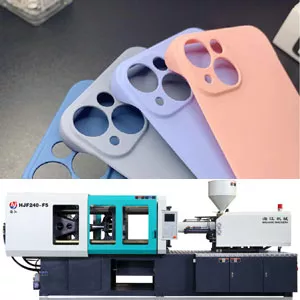
In the world of manufacturing, injection molding machines stand out as a cornerstone technology, enabling the mass - production of high - quality plastic parts with remarkable precision. The entire process of how injection molding machines work is a blend of engineering brilliance and scientific principles. This article will delve deep into the intricacies of injection molding machines, starting from the basic concept and moving on to the detailed steps involved in the process.
The Fundamental Concept
The fundamental idea behind an injection molding machine is deceptively simple yet highly effective. It revolves around melting plastic pellets and then applying high pressure to force the molten plastic into a mold cavity. As the material cools and solidifies within the cavity, it takes on the exact shape of the cavity. This process is not only fast but also extremely accurate, allowing for the production of a large number of intricate and complex parts with exceptional uniformity.
The Material Feeding Process
The first step in the operation of an injection molding machine is the material feeding process. Plastic pellets are placed into a hopper, which acts as a storage container. From the hopper, the plastic is then fed into a heated injection unit. Inside the injection unit, a reciprocating screw is responsible for pushing the plastic through a long chamber. As the plastic moves through this chamber, it gradually softens to a fluid state due to the heat. The reciprocating screw design is widely used in larger injection molding machines because it serves as both an injection and a plasticizing unit. As the plastic is fed to the rotating screw, it passes through three distinct zones: the feed zone, the compression zone, and the metering zone.
In the feed zone, the plastic enters the chamber and starts to be transported forward by the screw. As it moves into the compression zone, the depth of the screw - flight gradually reduces. This forces the plastic to compress, and through the shearing action, the work is converted into heat, turning the plastic into a semi - fluid mass. In the metering zone, additional heat is applied through conduction from the barrel surface. As the chamber in front of the screw becomes filled with the fluid plastic, it forces the screw back, triggering a limit switch. This limit switch activates a hydraulic cylinder that then forces the screw forward to inject the fluid plastic into the closed mold.
The Injection Phase
Once the plastic is in a fluid state, the injection phase begins. The fluid plastic is forced through a nozzle located at the end of the chamber. The nozzle is designed to direct the flow of the plastic into the mold. The halves of the mold are held shut using a system of clamps to ensure that the plastic does not leak out during the injection process. The high - pressure injection is crucial as it ensures that the plastic fills every corner of the mold cavity, even for parts with complex geometries.
The amount of pressure applied during injection can vary depending on factors such as the type of plastic being used, the size and complexity of the part, and the design of the mold. For example, some high - strength plastics may require higher injection pressures to ensure proper filling of the mold. The injection speed also plays an important role. A too - slow injection speed may cause the plastic to start cooling and solidifying before it fully fills the cavity, resulting in incomplete parts. On the other hand, a too - fast injection speed can lead to issues such as air traps and excessive flashing.
Mold Cooling
After the plastic is injected into the mold cavity, the mold cooling process is initiated. One of the fundamental principles of injection molding is that hot material enters the mold, where it cools rapidly to a temperature at which it solidifies sufficiently to retain the shape of the impression. The temperature of the mold is a critical factor as it governs a significant portion of the overall molding cycle.
In a hot mold, the molten plastic flows more freely, but a longer cooling period is required before the solidified molding can be ejected. In a cold mold, the plastic solidifies quickly, but it may not reach all the extremities of the impression. Therefore, a balance must be struck to achieve the optimum molding cycle. The operating temperature for a particular mold depends on several factors, including the type and grade of the material to be molded, the length of flow within the impression, the wall section of the molding, and the length of the feed system.
To maintain the required temperature differential between the mold and the plastic material, water or other fluids are circulated through holes or channels within the mold, known as flow - ways, and the complete system is called the circuit. By carefully controlling the flow of the coolant, an even cooling rate can be achieved over the molding surface, which helps to improve the quality of the final product by minimizing defects such as warping and uneven shrinkage.
Ejection of the Finished Product
Once the plastic has cooled and solidified to a sufficient extent, the mold halves open, and the finished product is ejected from the press. Ejection systems in injection molding machines are designed to ensure that the part is removed from the mold without damage. This can be achieved through various methods, such as ejector pins, air ejection, or a combination of both.
Ejector pins are one of the most common ejection methods. They are located within the mold and are pushed forward to push the part out of the mold. The design and placement of ejector pins are crucial to avoid leaving marks on the part. Air ejection, on the other hand, uses compressed air to blow the part out of the mold. This method is often used for parts with delicate or complex shapes where ejector pins may cause damage.
Feed System in the Mold
The feed system in the injection mold is another essential aspect of the injection molding process. It is responsible for connecting the nozzle of the injection machine to each impression in the mold. A typical feed system consists of a sprue, a runner, a gate, and sometimes a cold slug well.
The sprue is a channel that transfers the molten plastic injected from the nozzle of the injector into the mold. The runner guides the molten plastic from the sprue to the cavity of the mold. The gate is the entrance through which the molten plastic enters the cavity. It has several important functions, such as restricting the flow and direction of the molten plastic, simplifying the cutting of the runner and the molding for finishing, and quickly cooling and solidifying to prevent backflow after the cavity is filled. The cold slug well, located opposite the sprue, is designed to receive the chilled material at the front of the nozzle during the cooling and ejection phase and also helps in pulling the sprue from the sprue bush for ejection.
Conclusion
In conclusion, injection molding machines are complex yet highly efficient pieces of equipment. The process of how they work involves multiple steps, from material feeding and melting to injection, cooling, ejection, and the use of a well - designed feed system. Each step is critical and requires careful consideration of various factors such as material properties, temperature, pressure, and mold design. With the continuous development of technology, injection molding machines are becoming more precise, efficient, and capable of producing even more complex and high - quality parts. As a result, they will continue to play a vital role in the manufacturing industry for years to come, driving innovation and enabling the creation of countless products that we use in our daily lives.

Name*
*Email
Phone
Message
*