How Automated Injection Molding Machines Are Transforming Manufacturing
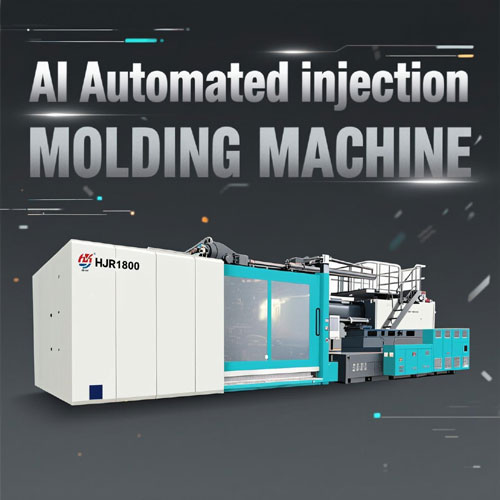
Automated injection molding machines cut production costs by up to 40% while achieving near-zero defect rates through real-time AI optimization.
The manufacturing landscape is undergoing a seismic shift. Traditional injection molding – once reliant on skilled operators and tedious trial-and-error – is being replaced by intelligent, self-optimizing systems. Modern automated injection molding machines integrate **AI-driven process control**, **closed-loop parameter adjustment**, and **predictive maintenance** to deliver unprecedented precision and efficiency. Here’s why this technology is dominating smart factories worldwide:
Core Advantages of Next-Gen Automation
1. Self-Optimizing Production
- *AI Parameter Tuning**: Machines leverage hybrid models combining **case-based reasoning** (simulating operator experience) and **surrogate modeling** (emulating intuition) to set initial parameters. Fuzzy logic then continuously refines settings during production, eliminating manual trial runs.
Multi-Objective Optimization**: Algorithms like **NSGA-II** and **Gaussian Genetic Algorithms** simultaneously balance conflicting goals: minimizing warpage, reducing cycle time, and maximizing strength. Pareto-optimal solutions achieve 30-50% higher efficiency than manual methods.
2. Zero-Defect Quality Assurance
- Real-time sensors monitor melt viscosity, pressure, and temperature, feeding data to **digital twin systems**. Deviations trigger micro-adjustments within 0.03 seconds, reducing scrap rates to <0.5%.
- Example: Medical device molders achieve ISO 14644 Class 7 cleanliness standards through fully enclosed, AI-regulated environments.
3. Energy & Cost Slashing
| **Technology** | Energy Savings | ROI Period |
|----------------|----------------|------------|
| Servo-Electric Drives | 50-70% | <2 years |
| AI-Powered Cycle Optimization | 15-25% | <6 months |
| Predictive Maintenance | 30% downtime reduction | Immediate |
Key Tech Drivers Reshaping the Industry
1. Intelligent Process Control (IPC)
IPC systems use **deep neural networks** trained on historical data to predict defects before they occur. For example:
- **Warpage Control**: Gaussian Process (GP) surrogate models map nonlinear relationships between melt temperature (180°C–280°C), cooling time, and dimensional stability. Genetic algorithms then pinpoint settings minimizing distortion.
- **Flow Balancing**: *Variable-grain strategy* algorithms optimize runner designs for multi-cavity molds, ensuring ±0.5% weight variation across parts.
2. Plug-and-Play Automation
Modern machines feature standardized interfaces for:
Robotic part handling (EOAT changers)
Conveyor synchronization
M2M (Machine-to-Machine) communication via OPC UA
Case Study:A German auto supplier reduced changeover time from 45 minutes to 90 seconds using quick-mold-change robots integrated with machine APIs.
3. Cloud-Based Analytics
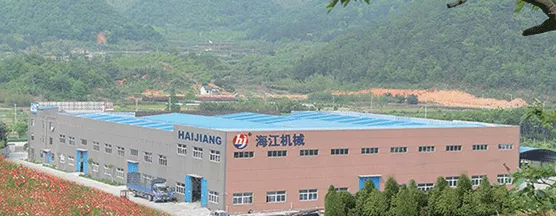
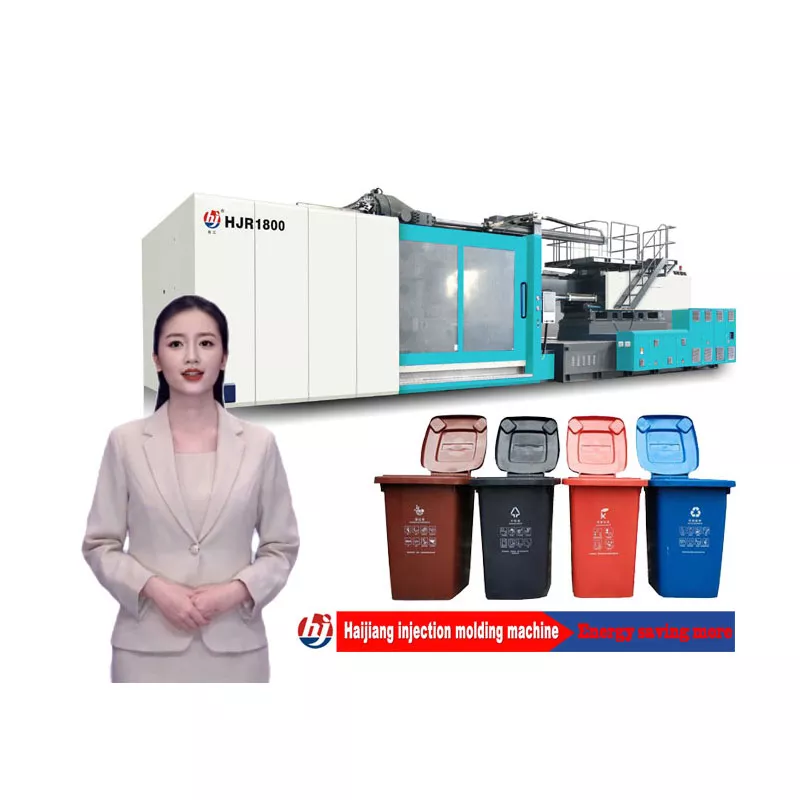
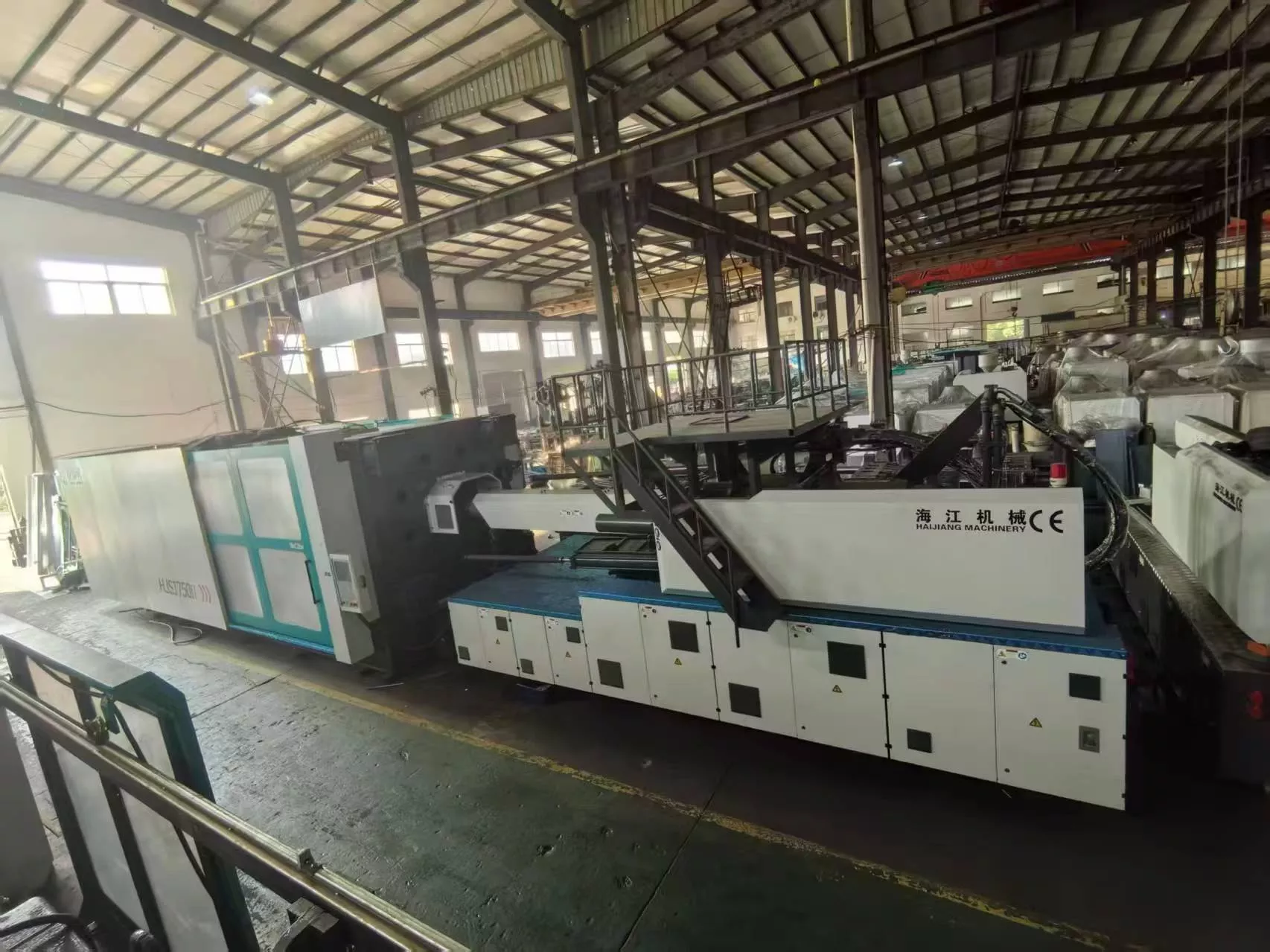
Platforms like **Haijiang** collect terabyte-scale process data to:
- Benchmark performance across factories
- Predict screw/barrel wear using vibration pattern analysis
- Auto-order replacement parts via blockchain-enabled supply chains
Industry-Specific Impact
- **Medical**: Automated cleanroom-compatible systems produce ISO-certified syringes with 99.99% particulate-free output.
- **Automotive**: AI-optimized parameters for glass-fiber-reinforced polyamide cut warpage by 67% in mirror housings.
- **Consumer Electronics**: Lights-out factories run 24/7 producing connectors with micron-level tolerances (±0.01mm).
---
The Future Is Autonomous
By 2028, automated molding machines will evolve toward:
- **Self-Learning Algorithms**: Reinforcement learning (RL) agents that improve settings after every shot, surpassing human expertise.
- **Closed-Loop Material Systems**: Machines adjusting parameters based on resin moisture/pellet-size variability in real-time.
- **Distributed Manufacturing**: Cloud-controlled micro-factories producing customized parts on-demand.
Automated injection molding isn’t just an upgrade – it’s a complete reimagining of manufacturing. Companies adopting these systems report **40% lower operational costs**, **3x faster product launches**, and **near-perfect quality**. As AI algorithms evolve from reactive to predictive, the gap between automated and traditional factories will become unbridgeable.
*Struggling with scrap rates or slow changeovers? leave message to us.
Name*
*Email
Phone
Message
*