China Haijiang liquid silicone rubber (LSR) injection molding machine
liquid silicone rubber injection molding machine
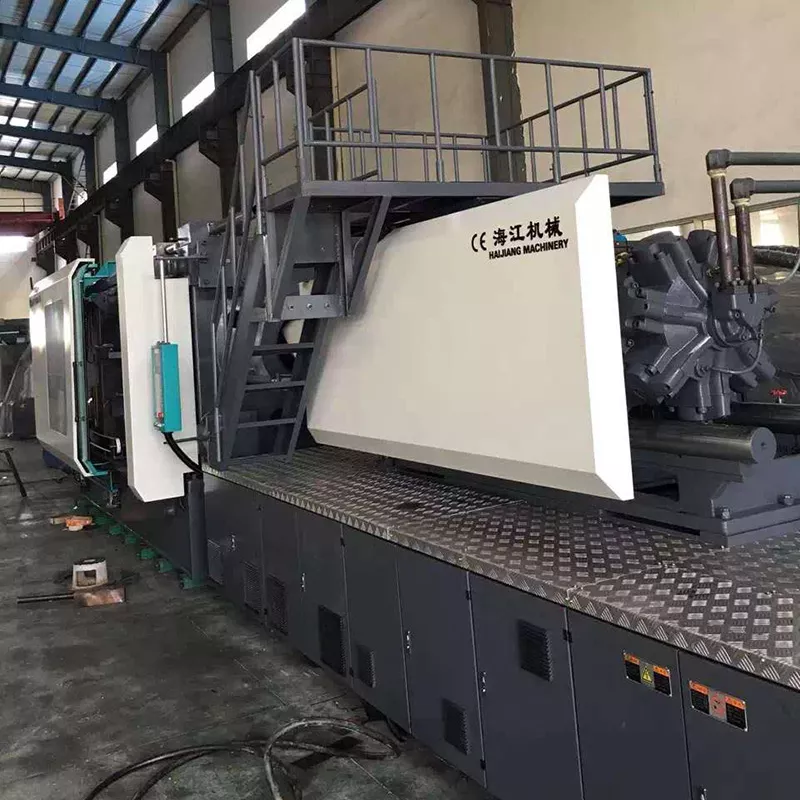
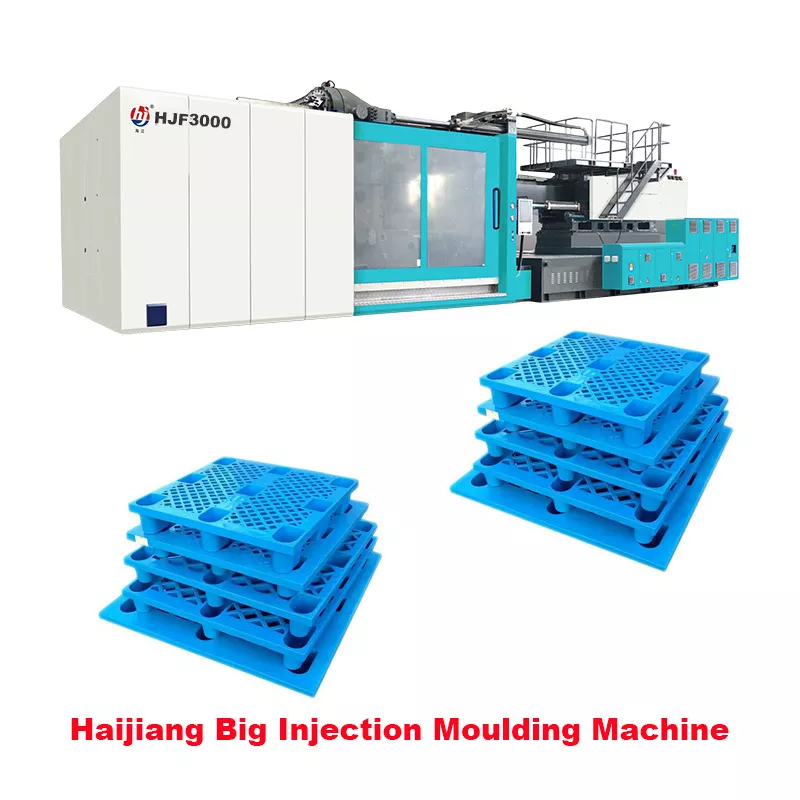
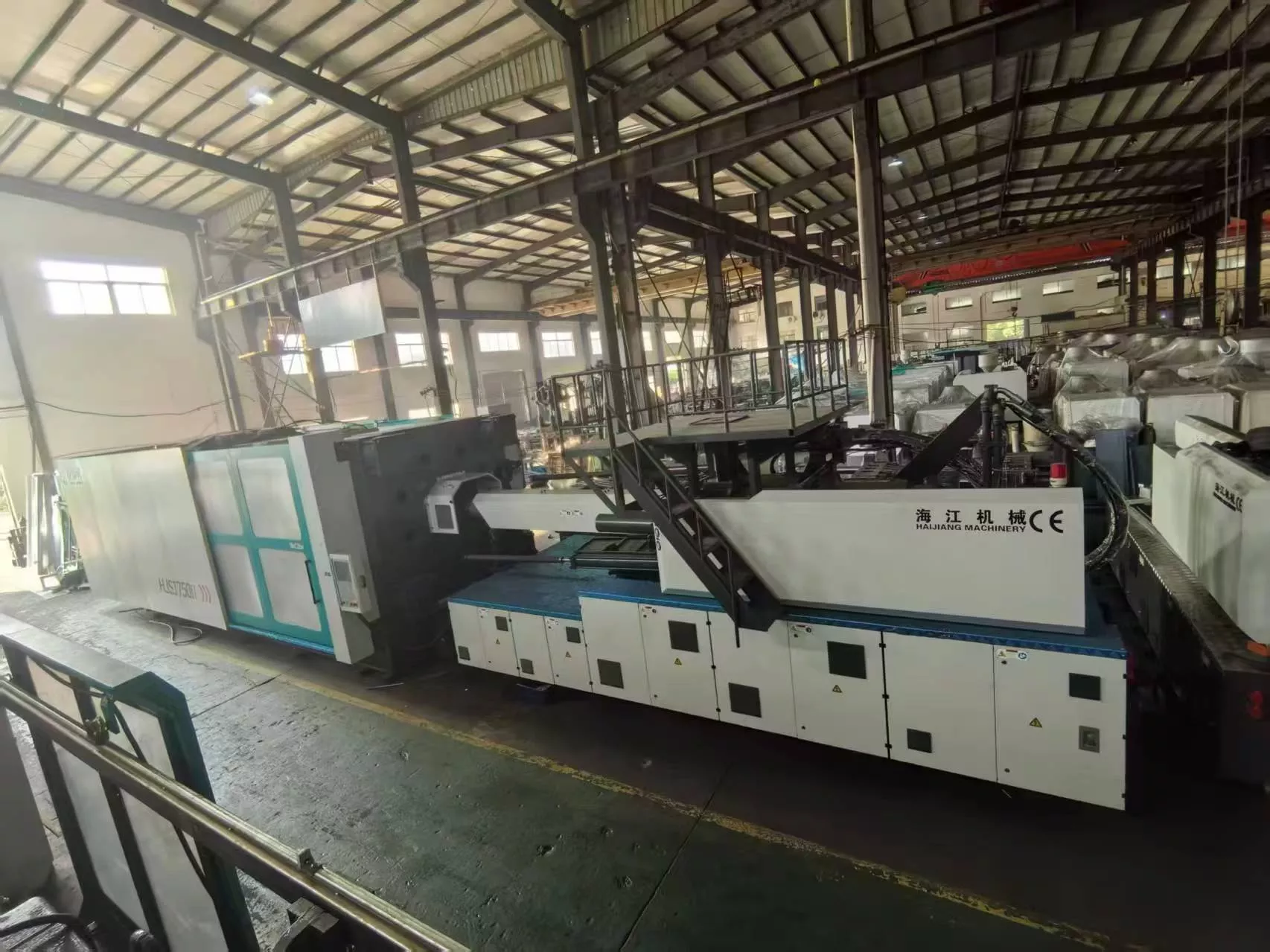
The China Haijiang liquid silicone rubber (LSR) injection molding machine is a high-performance solution built to deliver precision, stability, and consistent product quality. Ideal for manufacturing baby products, medical-grade parts, and other high-end silicone goods, it ensures smooth, efficient, and fully automated production from start to finish. With its advanced injection control technology, the machine produces uniform, defect-free parts while minimizing waste and optimizing material use.

In June 2024, Haijiang successfully supplied an LSR nipple production project to a customer in Algeria. This turnkey solution included a 24-cavity mold and a fully automated system, enabling continuous, high-speed production. By integrating automation, the customer significantly reduced labor costs, improved output rates, and ensured each product met strict hygiene and safety standards—critical for baby and medical applications.
The Haijiang LSR injection molding machine stands out with its energy-saving design, user-friendly controls, and reliable performance under demanding production schedules. Easy maintenance, quick mold changeover, and strong adaptability make it a cost-effective investment for global manufacturers seeking to expand capacity or enter new markets. Whether producing small-scale specialty parts or high-volume consumer goods, this machine delivers the flexibility, efficiency, and quality needed to compete in today’s competitive industry.
FAQ:
1.What is Liquid Silicone Rubber (LSR)?
Liquid Silicone Rubber (LSR) is a type of silicone elastomer that exists in a liquid state at room temperature, distinguishing it from solid silicone rubbers Key Characteristics of LSR LSR offers a unique combination of properties that make it valuable in various industries: - High Temperature Resistance: It retains flexibility and stability in extreme temperatures (typically -60°C to 200°C, with some grades enduring up to 300°C). - Biocompatibility: Many LSR grades are non-toxic, hypoallergenic, and compliant with medical standards (e.g., FDA, ISO 10993), making them suitable for medical devices. - Chemical Resistance: Resistant to water, oils, solvents, and many chemicals, reducing degradation over time. - Elasticity and Durability: Exhibits excellent flexibility, tear resistance, and compression set (ability to return to shape after deformation). - Electrical Insulation: Good dielectric properties, useful in electronics applications. ”Rapid Curing“: When heated (e.g., in injection molding), it cures quickly (often in seconds to minutes), enabling efficient mass production.
2.How LSR is Processed?The most common processing method for LSR is “injection molding”:
1. ”Mixing“: Parts A and B are blended in a metering system to ensure uniform consistency.
2. “Injection”: The liquid mixture is injected into a heated mold cavity.
3. ”Curing“: Heat (typically 150–200°C) triggers crosslinking, transforming the liquid into a solid rubber part.
4. ”Demolding“: The cured part is removed from the mold, often requiring minimal post-processing due to the precision of the molding process.
3.Applications of LSR LSR’s versatility makes it suitable for diverse fields: - Medical and Healthcare: Catheters, syringe components, baby bottle nipples, pacifiers, and medical seals.
- “Automotive”: Gaskets, O-rings, spark plug boots, and seals for engines or fluid systems (due to heat and chemical resistance). - ”Electronics“: Insulators, keypads, and components for devices requiring heat resistance and electrical stability. - "Consumer Goods": Kitchen utensils, waterproof seals for electronics (e.g., smartwatches), and toys. - "Aerospace": Seals and gaskets for aircraft engines and systems (withstanding extreme temperature fluctuations).
Advantages Over Other Rubbers Compared to solid silicone rubber or other elastomers (e.g., natural rubber, EPDM), LSR offers: - Faster production cycles due to rapid curing. - Higher precision in molding complex shapes (thanks to low viscosity in liquid form). - Reduced waste, as unused material can often be recycled. - Superior consistency in material properties across production runs. In summary, LSR is a high-performance material valued for its versatility, durability, and suitability for precision manufacturing, making it integral to industries ranging from healthcare to automotive.
Name*
*Email
Phone
Message
*