Unveiling the Different Types of Injection Moulding Machines: Which One is Right for Your Project?
Unveiling the Different Types of Injection Moulding Machines: Which One is Right for Your Project?
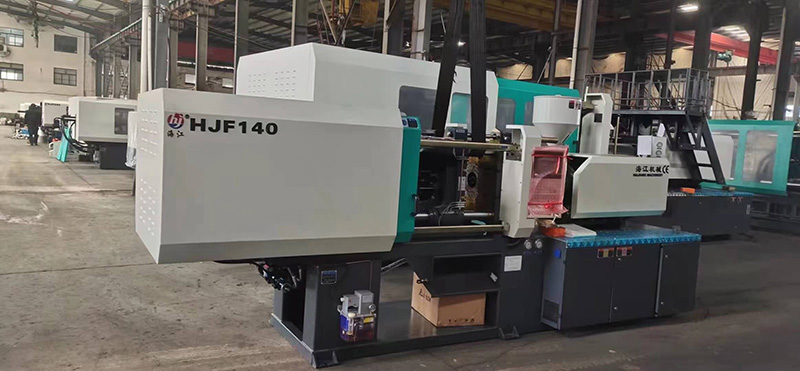
When it comes to manufacturing, choosing the right injection moulding machine can make all the difference in your project's success. With a myriad of options available, understanding the various types of injection moulding machines is essential to optimize your production process and meet your specific needs. From hydraulic and mechanical to electric machines, each type offers unique advantages tailored for different applications and materials. This guide aims to unveil the distinct features and functions of these machines, helping you navigate the complexities of injection moulding. Whether you’re a seasoned industry professional or just starting out, this comprehensive overview will equip you with the knowledge to select the perfect machine for your project. Dive in and discover which injection moulding machine is right for you and how it can elevate your production capabilities to new heights.

Injection moulding is a manufacturing process that involves injecting molten material into a mould to create a wide variety of parts and products. This process is pivotal in producing high-precision components for numerous industries, including automotive, medical, consumer electronics, and packaging. The versatility of injection moulding lies in its ability to handle complex shapes and intricate details while maintaining consistent quality and high efficiency.
The process begins with the melting of raw material, typically plastic, which is then injected into a pre-designed mould. Once the material cools and solidifies within the mould, the final product is ejected. This cycle is repeated to produce large quantities of identical parts. The key to successful injection moulding lies in the precise control of temperature, pressure, and timing throughout each phase of the process.
Injection moulding machines play a critical role in this process, with each type offering specific advantages and capabilities. Selecting the appropriate machine involves understanding the nuances of different machine types and how they align with your project requirements. In this comprehensive guide, we will delve into the various types of injection moulding machines, their unique features, and the factors to consider when choosing the right one for your manufacturing needs.

Injection moulding machines can be broadly categorized into three main types: hydraulic, electric, and hybrid. Each type has distinct characteristics that make them suitable for different applications and production environments. Understanding the differences between these machines is essential for making an informed decision that aligns with your project goals.
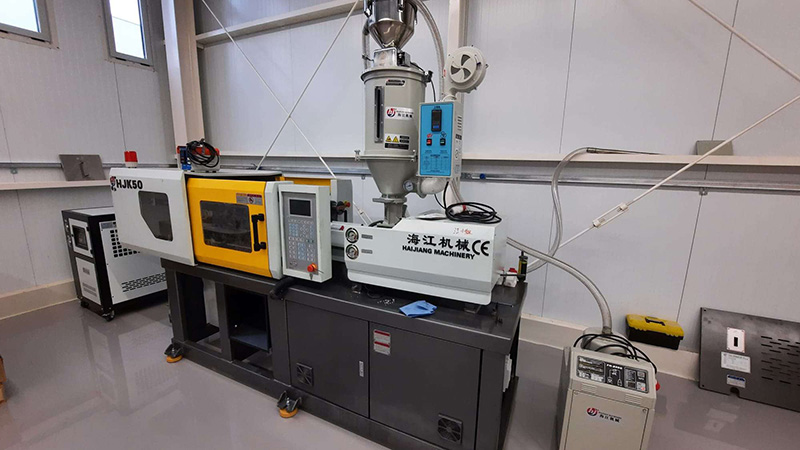
Hydraulic injection moulding machines have been the industry standard for decades. They are known for their robustness and ability to handle large mould sizes and high clamping forces. These machines use hydraulic systems to control the injection and clamping processes, making them suitable for a wide range of applications.
Electric injection moulding machines, on the other hand, offer precision and energy efficiency. These machines use electric servo motors to control the injection and clamping processes, resulting in faster cycle times and lower energy consumption. They are ideal for applications that require high precision and repeatability.
Hybrid injection moulding machines combine the best of both hydraulic and electric technologies. By integrating hydraulic and electric components, these machines provide a balanced solution that offers the robustness of hydraulic machines and the precision of electric machines. Hybrid machines are versatile and can be tailored to meet specific production requirements.
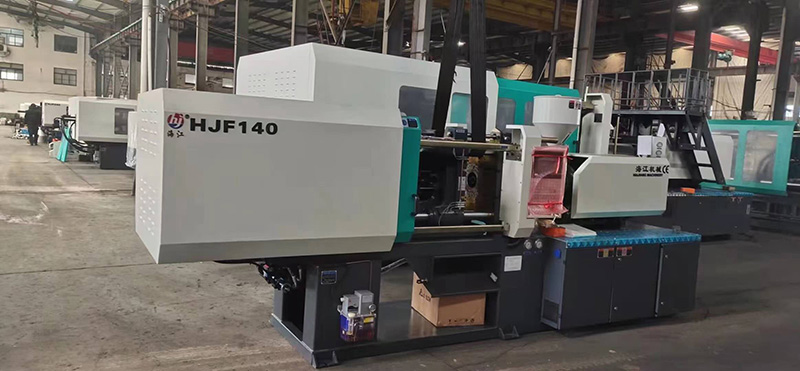
Hydraulic injection moulding machines have long been the backbone of the injection moulding industry. These machines operate using hydraulic fluids to generate the necessary force for the injection and clamping processes. The hydraulic system consists of pumps, valves, and cylinders that work together to control the flow and pressure of the fluid, ensuring precise operation.
One of the main advantages of hydraulic machines is their ability to generate high clamping forces, making them suitable for producing large and heavy parts. The robust design of hydraulic machines allows them to handle demanding applications that require significant force. Additionally, hydraulic machines are known for their durability and long service life, making them a reliable choice for many manufacturers.
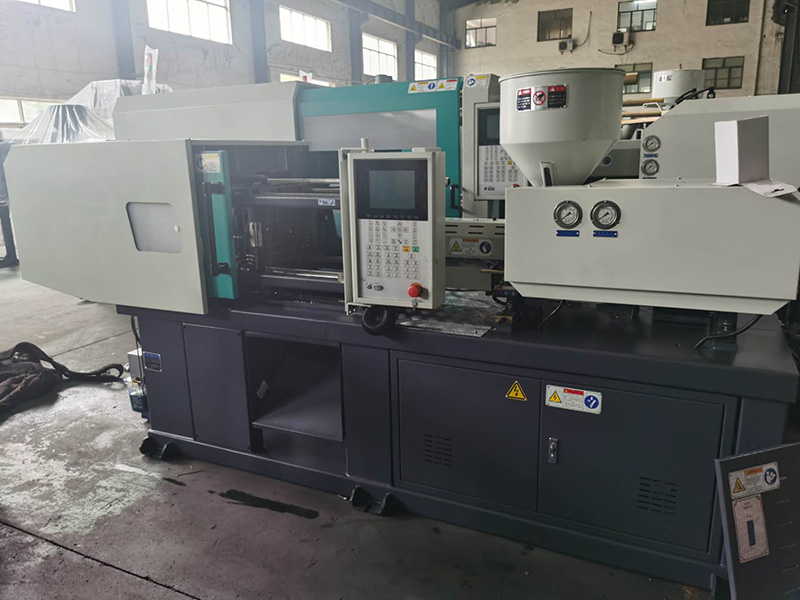
However, hydraulic machines also have some drawbacks. They tend to consume more energy compared to their electric counterparts, as the hydraulic system requires continuous operation to maintain pressure. This can result in higher operational costs and increased environmental impact. Additionally, hydraulic machines may require more maintenance due to the complexity of the hydraulic system and the potential for fluid leaks.
Electric injection moulding machines represent a significant advancement in injection moulding technology. These machines use electric servo motors to control the various stages of the moulding process, including injection, clamping, and ejection. The use of electric motors offers several advantages over traditional hydraulic systems.
One of the primary benefits of electric machines is their energy efficiency. Unlike hydraulic machines, electric machines only consume energy when the motors are in operation, which can result in significant energy savings. This makes electric machines an environmentally friendly option that can help reduce operational costs. Additionally, electric machines generate less heat, reducing the need for extensive cooling systems.
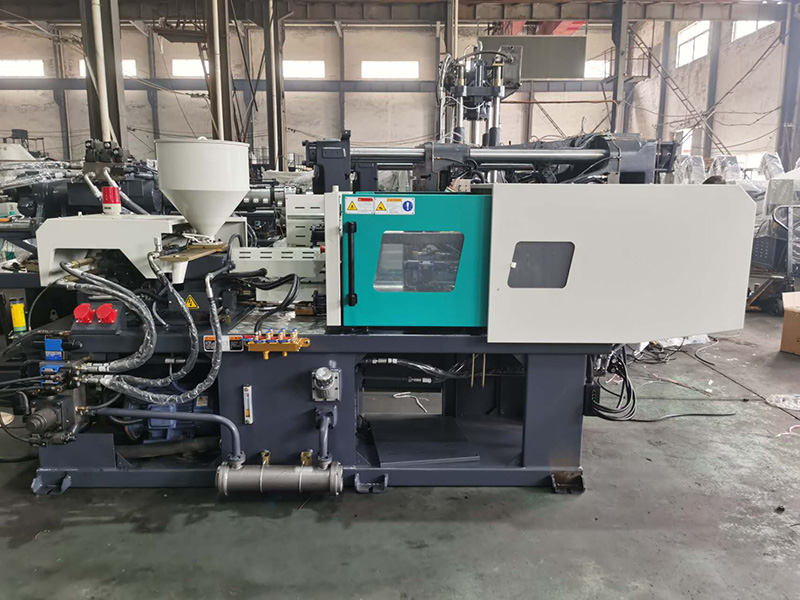
Electric machines are also known for their precision and repeatability. The use of electric motors allows for precise control over the injection and clamping processes, resulting in consistent and high-quality parts. This level of precision is particularly important for applications that require tight tolerances and intricate details. Furthermore, electric machines typically have faster cycle times, increasing production efficiency.
Despite their numerous advantages, electric machines may have some limitations. They are generally more expensive to purchase compared to hydraulic machines, which can be a barrier for some manufacturers. Additionally, electric machines may have lower clamping forces, making them less suitable for very large or heavy parts. However, for many applications, the benefits of electric machines outweigh these limitations.
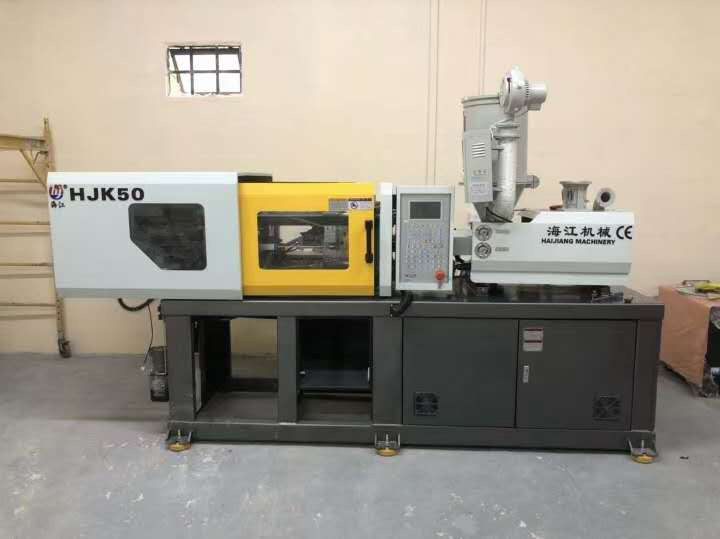
Hybrid injection moulding machines offer a balanced solution that combines the strengths of both hydraulic and electric technologies. By integrating hydraulic and electric components, hybrid machines provide the robustness and high clamping forces of hydraulic machines along with the precision and energy efficiency of electric machines. This makes them a versatile option for a wide range of applications.
Hybrid machines are designed to optimize performance by using electric servo motors for movements that require precision and speed, such as the injection and metering processes. Meanwhile, hydraulic systems are used for movements that require high force, such as clamping and ejection. This combination allows hybrid machines to achieve high performance while minimizing energy consumption and operational costs.
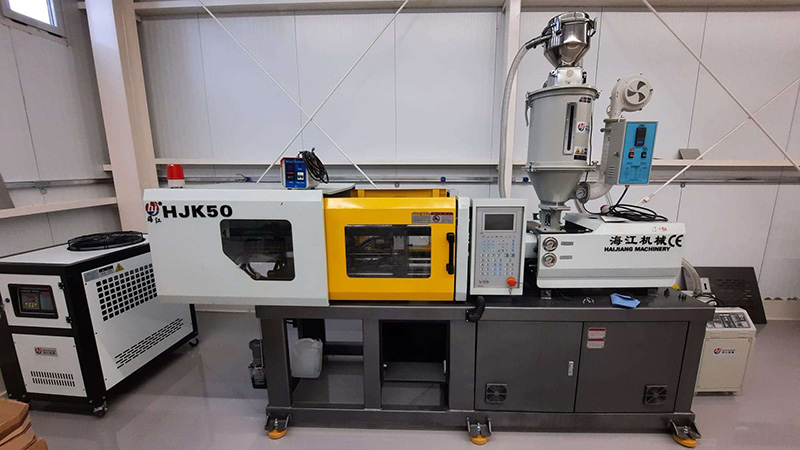
One of the key advantages of hybrid machines is their adaptability. They can be customized to meet specific production requirements, making them suitable for various applications and materials. Hybrid machines are also known for their reliability and long service life, as they leverage the strengths of both hydraulic and electric systems. This makes them a valuable investment for manufacturers looking to optimize their production processes.
However, hybrid machines may also have some drawbacks. They can be more complex to operate and maintain compared to purely hydraulic or electric machines, as they involve the integration of two different systems. Additionally, hybrid machines may have higher upfront costs due to their advanced technology and customization options. Nonetheless, the benefits of hybrid machines often justify these costs, especially for manufacturers seeking a flexible and high-performance solution.
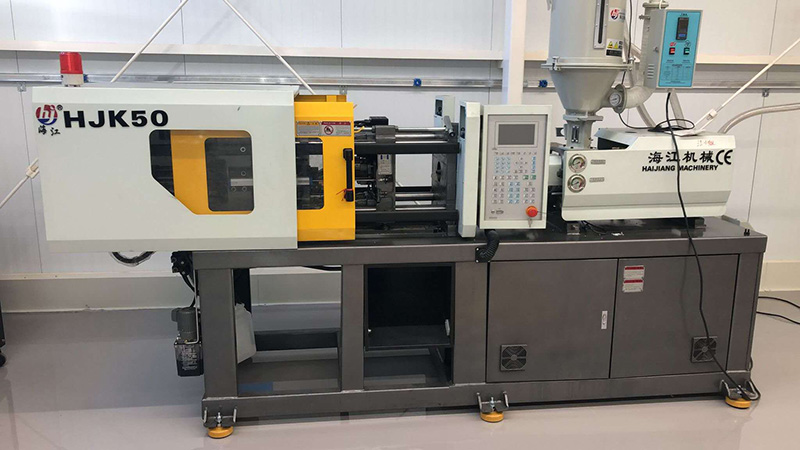
Selecting the right injection moulding machine for your project involves careful consideration of several factors. Understanding these factors will help you make an informed decision that aligns with your production goals and requirements. Here are some key factors to consider when choosing an injection moulding machine.
First, consider the type of material you will be using. Different materials have varying melting points, flow characteristics, and cooling rates, which can impact the performance of the injection moulding machine. For example, if you are working with high-temperature materials, you may need a machine with advanced temperature control capabilities. Additionally, some materials may require specific injection pressures or clamping forces, so it is important to choose a machine that can accommodate these requirements.
Second, consider the size and complexity of the parts you will be producing. Larger and more complex parts may require machines with higher clamping forces and larger mould sizes. Additionally, if your parts have intricate details or tight tolerances, you may need a machine with high precision and repeatability. Electric machines are often preferred for producing small, detailed parts due to their precision, while hydraulic machines are better suited for larger, heavier parts.
Third, consider your production volume and cycle time requirements. If you need to produce large quantities of parts quickly, you may benefit from a machine with faster cycle times. Electric machines typically offer faster cycle times and higher production efficiency compared to hydraulic machines. However, if your production volume is lower, a hydraulic machine may be more cost-effective. Additionally, hybrid machines can offer a good balance of speed and efficiency for medium to high production volumes.

Different types of injection moulding machines are suited for various applications based on their unique characteristics and capabilities. Understanding the specific applications of each machine type will help you determine which one is best suited for your project.
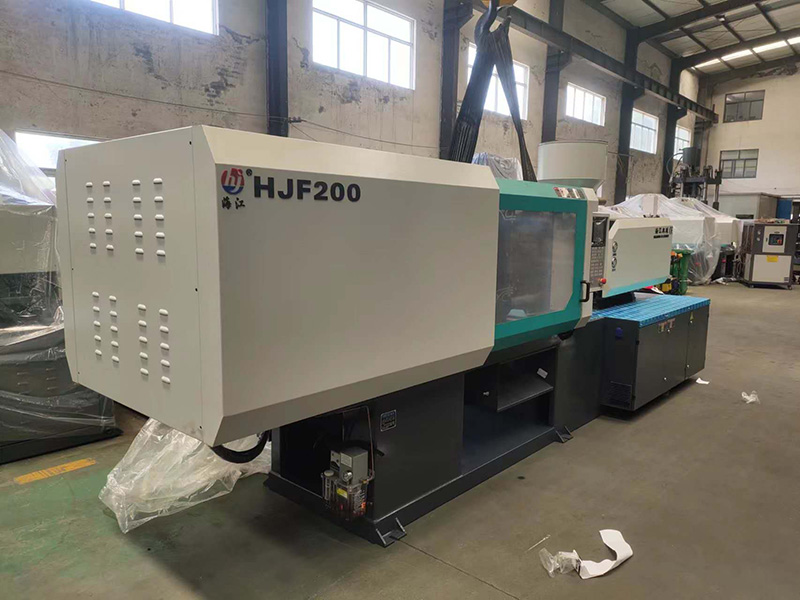
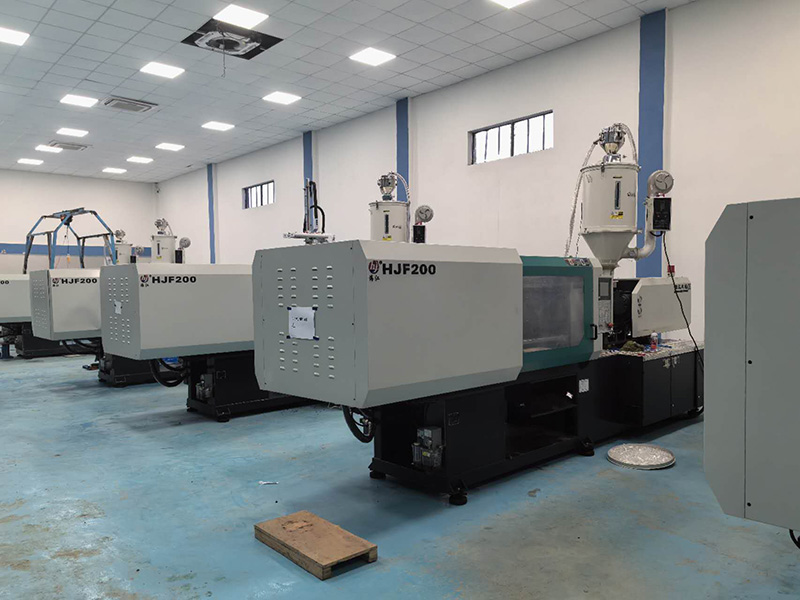
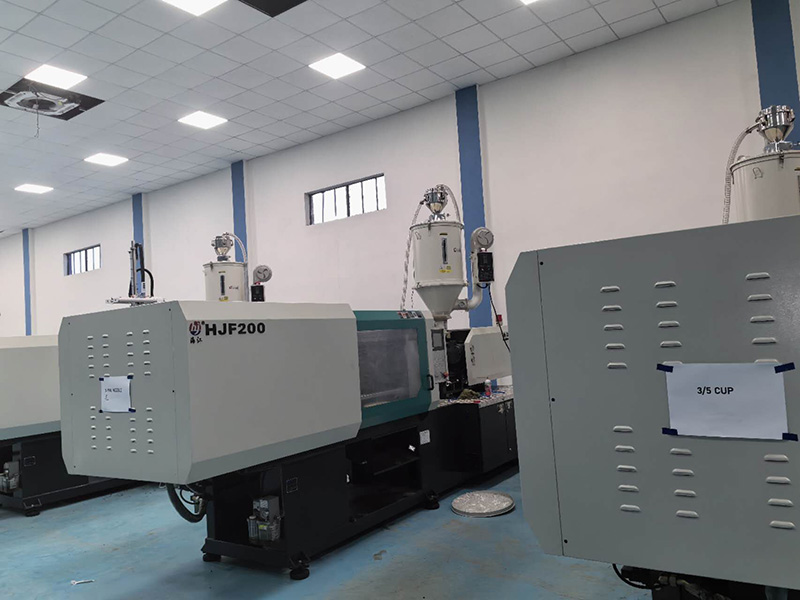
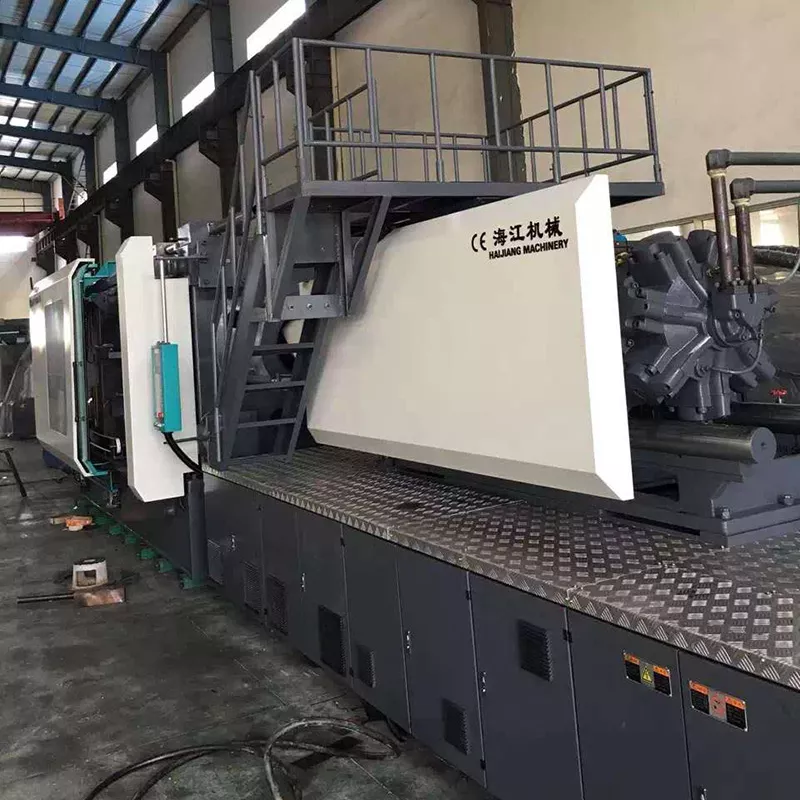
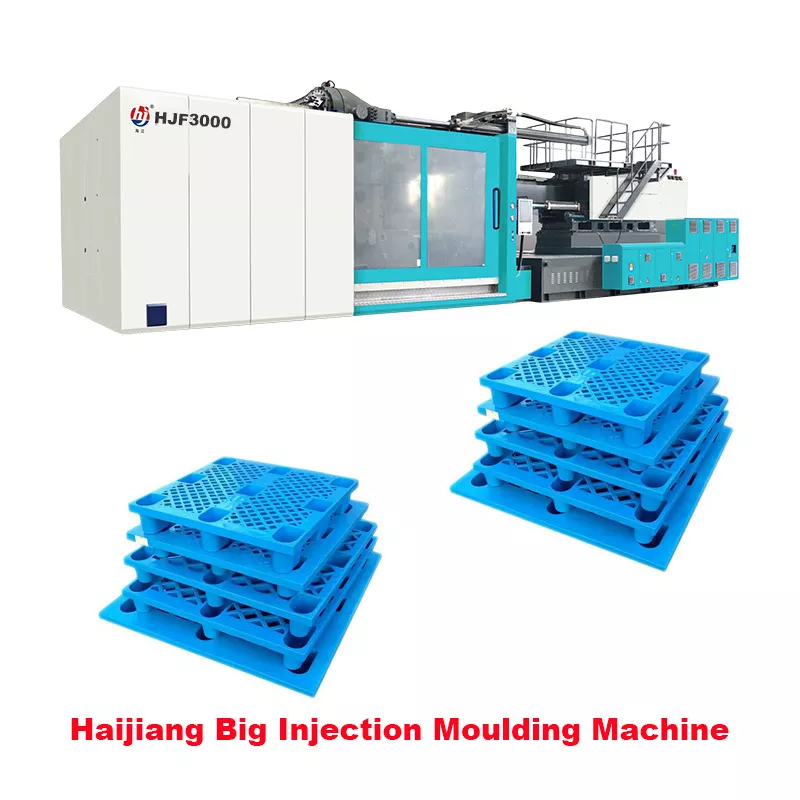
Hydraulic injection moulding machines are ideal for applications that require high clamping forces and the ability to handle large mould sizes. They are commonly used in the automotive industry for producing large and heavy components such as bumpers, dashboards, and engine parts. Hydraulic machines are also suitable for manufacturing industrial and agricultural equipment parts, which often require robust and durable materials.
Electric injection moulding machines are well-suited for applications that require high precision and repeatability. They are commonly used in the medical and electronics industries, where tight tolerances and intricate details are essential. For example, electric machines are used to produce medical devices such as syringes, catheters, and implantable components, as well as electronic parts such as connectors, housings, and sensors. The energy efficiency of electric machines also makes them a popular choice for environmentally conscious manufacturers.
Hybrid injection moulding machines are versatile and can be used for a wide range of applications. They are suitable for producing parts that require both high precision and high clamping forces. Hybrid machines are often used in the packaging industry for producing containers, caps, and closures, where both speed and quality are important. They are also used in the consumer goods industry for manufacturing products such as toys, household items, and sporting goods.
The cost of an injection moulding machine is a significant factor to consider when making a purchasing decision. The initial investment, operational costs, and maintenance expenses all contribute to the overall cost of ownership. Understanding these cost considerations will help you make a financially sound decision that aligns with your budget and production goals.
The initial investment for an injection moulding machine can vary widely depending on the type, size, and features of the machine. Hydraulic machines tend to have lower upfront costs compared to electric and hybrid machines, making them a more accessible option for manufacturers with limited budgets. However, the lower initial cost of hydraulic machines must be weighed against their higher operational costs and maintenance requirements.
Electric injection moulding machines typically have higher purchase prices due to their advanced technology and precision capabilities. However, their energy efficiency and lower operational costs can result in significant savings over time. Electric machines consume less energy and generate less heat, reducing the need for extensive cooling systems and lowering overall energy bills. Additionally, electric machines require less maintenance compared to hydraulic machines, further reducing long-term costs.
Hybrid injection moulding machines generally fall in the mid to high price range due to their combination of hydraulic and electric components. The initial investment for hybrid machines can be higher than purely hydraulic or electric machines, but their versatility and performance advantages can justify the cost. Hybrid machines offer a balanced solution that can optimize production efficiency and reduce operational costs, making them a valuable investment for many manufacturers.
In addition to the initial purchase price, it is important to consider the total cost of ownership, which includes operational costs, maintenance expenses, and potential downtime. Evaluating the long-term financial impact of each machine type will help you make an informed decision that aligns with your budget and production goals.
Conclusion and Recommendations
Choosing the right injection moulding machine is a critical decision that can significantly impact the success of your manufacturing project. By understanding the different types of injection moulding machines—hydraulic, electric, and hybrid—you can make an informed decision that aligns with your production requirements and goals. Each machine type offers unique advantages and is suited for specific applications, making it essential to consider factors such as material type, part size and complexity, production volume, and cost.
Hydraulic injection moulding machines are ideal for applications that require high clamping forces and the ability to handle large mould sizes. They are a reliable and durable option for producing large and heavy parts. Electric injection moulding machines offer precision, energy efficiency, and faster cycle times, making them suitable for applications that require high precision and repeatability. Hybrid machines provide a balanced solution that combines the strengths of both hydraulic and electric technologies, offering versatility and optimized performance.
When making your decision, it is important to consider the total cost of ownership, including initial investment, operational costs, and maintenance expenses. Evaluating the long-term financial impact of each machine type will help you make a financially sound decision that aligns with your budget and production goals. By carefully considering these factors, you can select the perfect injection moulding machine for your project and elevate your production capabilities to new heights.
In conclusion, the right injection moulding machine can make all the difference in your project's success. Whether you are a seasoned industry professional or just starting out, understanding the distinct features and functions of hydraulic, electric, and hybrid machines will equip you with the knowledge to make an informed decision. By selecting the appropriate machine for your specific needs, you can optimize your production process, achieve consistent quality, and ultimately enhance the efficiency and profitability of your manufacturing operations.
Name*
*Email
Phone
Message
*